Pokemon Team Roles Explained: Sweepers, Walls, Pivots and More
A plain-English breakdown of every competitive Pokemon team role, what each one does, and how to fill all six slots before you ever touch the team builder.
Competitive Pokémon builders & analysts
The Metamons team builds the competitive team-builder and Pokédex behind this site. Our guides explain competitive team-building concepts using referenced Smogon, Pokémon Showdown, and game-mechanics resources. Rulesets, available Pokémon, and usage trends change, so always confirm current legality in your chosen format.
- strategy
- beginner
- team-building
- singles
Six slots. Six jobs. Most new players fill them with six favorites and wonder why they keep losing. This guide names every role, explains what it does in a game, and shows you how to assign them before you open a team builder.
Why roles matter more than species
Any Pokémon can fill most roles with the right EV spread and moveset. A Toxapex can wall. A Dragapult can sweep or pivot. The species just determines how well it fills the role compared to alternatives.
The mistake beginners make is picking six Pokémon they like, then trying to slot roles around them. Roles come first. Species come second.
The six core roles
Lead
The lead is the Pokémon you send out on turn one. A good lead either lays entry hazards before the opponent can prevent them, forces a favorable trade, or gathers information about the opponent's lead without giving up anything.
Glimmora is the most common Gen 9 OU lead: it sets Stealth Rock, poisons on contact with Toxic Debris, and threatens enough damage that the opponent cannot just ignore it. Fast leads with Taunt shut down opposing hazard setters entirely.
Not every team runs a dedicated lead. Some teams are "lead flexible," meaning you preview the opponent's team and choose your opener based on their roster.
Sweeper
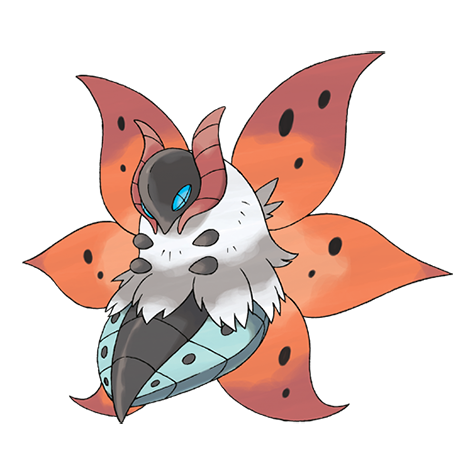 VolcaronaSpecial sweeper
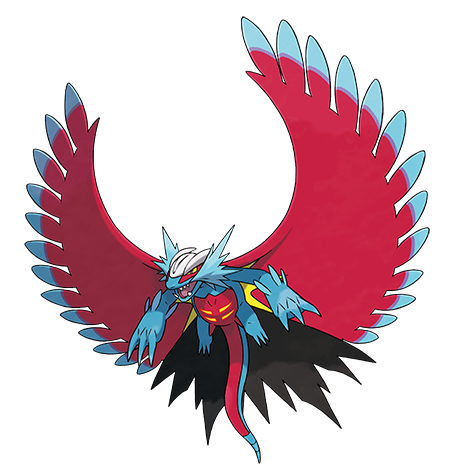 Roaring MoonPhysical sweeper
Sweepers win the game. They are Pokémon that can take multiple KOs in a row once the opponent's checks are removed. Most sweepers are fast, hit hard, and have coverage wide enough that a single resist does not stop them.
Sweepers split into physical (Attack stat, moves like Close Combat and Extreme Speed) and special (Special Attack, moves like Moonblast and Draco Meteor). Volcarona sets up a Quiver Dance and sweeps with special moves. Roaring Moon hits hard physically with Dragon Dance and Acrobatics.
A sweeper without a winnable end-game is just a wallbreaker with worse bulk. Know exactly what checks need to be removed before your sweeper can run.
Wallbreaker
Wallbreakers clear the path. They hit so hard that the opponent cannot keep their defensive Pokémon healthy, even at the cost of their own longevity. They are usually slower or frailer than sweepers but punch harder in short trades.
Iron Valiant is a wallbreaker in Gen 9. Its special attack and wide coverage break through most defensive cores, but its speed tier is not high enough to outrun Flutter Mane without a Scarf, and its bulk is too low to set up cleanly.
The most common beginner mistake: running two sweepers and labeling one a "wallbreaker." They are different jobs requiring different EV spreads and different items.
Wall
Walls absorb hits. Physical walls have high Defense and handle physical attackers. Special walls have high Special Defense and handle special attackers. Most teams run at least one of each, or a single bulky Pokémon that can handle both types of damage.
Dondozo is a physical wall. Clodsire is a special wall. Both run recovery moves (Wave Crash+Rest on Dondozo, Recover on Clodsire) because a wall without recovery gets worn down over five or six turns and becomes useless.
Check the moveset before you finalize a wall. A wall without a recovery move is a speedbump, not a defensive anchor.
Pivot
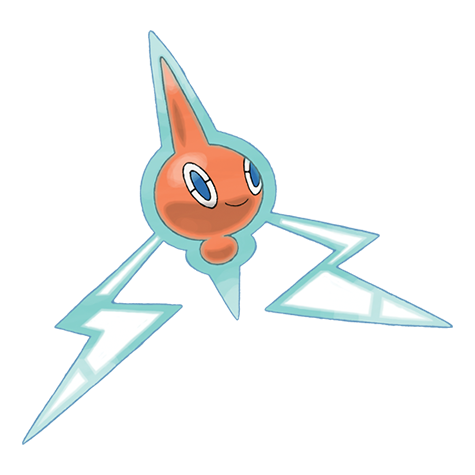 Rotom-WashBulky pivot
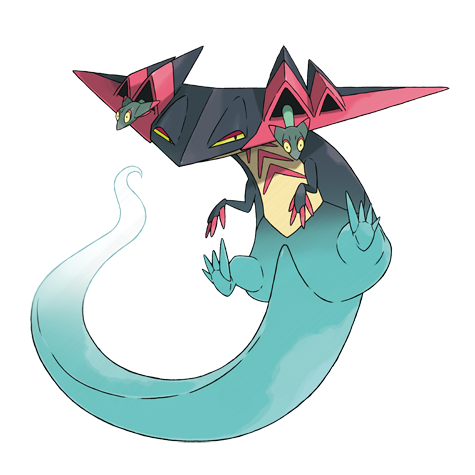 DragapultFast offensive pivot
Pivots keep momentum. They come in on a threat they resist or are immune to, apply pressure or chip damage, and use a momentum move (U-turn, Volt Switch, Flip Turn) to bring in a teammate for free without letting the opponent switch in at an advantage.
Rotom-Wash is a textbook pivot: it resists common attack types, threatens with Will-O-Wisp and Volt Switch, and lets you maintain control of which Pokémon your sweeper comes in against.
Lose your pivot early and you spend the rest of the game making unsafe switches. Most good teams protect their pivots carefully and sacrifice wallbreakers first.
Hazard setter and hazard remover
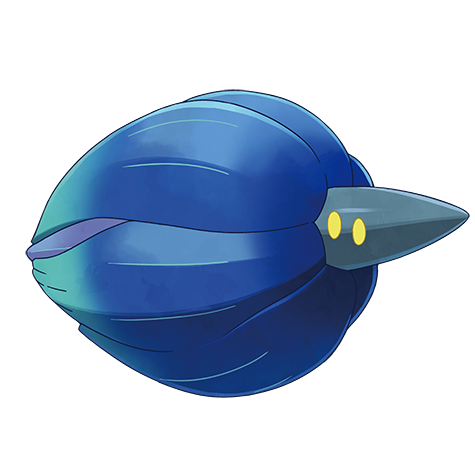 GlimmoraStealth Rock + Toxic Debris
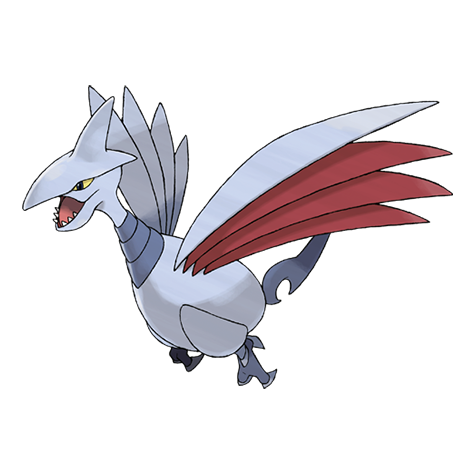 SkarmorySpikes setter
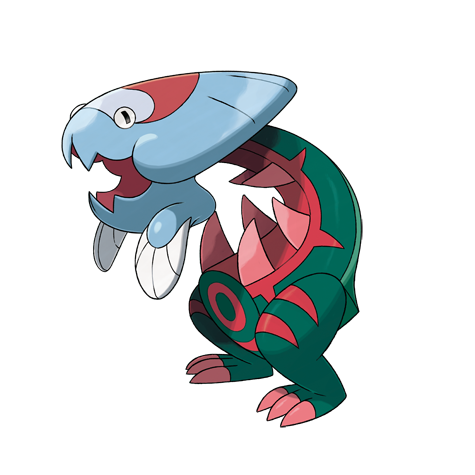 CorviknightDefog remover
Entry hazards damage Pokémon when they switch in. Stealth Rock chips every Pokémon based on their Rock weakness. Spikes hit ground-switching Pokémon in layers. Toxic Spikes poison everything not already immune.
Ting-Lu sets Stealth Rock and Spikes while tanking almost any hit. Skarmory sets Spikes with near-perfect physical defense.
The flip side: hazard removal. Rapid Spin (Excadrill) and Defog (Corviknight) clear your side. Most teams run at least one remover, especially if they carry Pokémon with Flying or Fire typing that take 25% from Stealth Rock on every switch.
How to assign roles when building
Start with the win condition. Pick the Pokémon that is going to close out games, then build backward.
Your sweeper needs checks removed: add a wallbreaker. Your sweeper needs free switch-ins: add a pivot. Your sweeper benefits from chip damage: add a hazard setter. Your team folds to a specific threat: add a wall that handles it. You need a turn-one plan: assign your lead last, based on what the rest of the team needs on turn one.
The Metamons team builder tags role archetypes and shows type coverage gaps as you draft. Use the coverage heatmap to confirm no single type shuts your entire offense down.
Common mistakes
Six offensive Pokémon. No wall means any bulky threat the opponent brings will stall your team indefinitely.
Forgetting hazard removal. Charizard loses 25% HP just switching into Stealth Rock. Three switches and it is already half dead.
Two pivots, no win condition. Momentum only matters if something finishes the game with it.
Overlapping roles in the same speed tier. Two sweepers that both need the same checks removed means removing those checks requires killing them twice, which rarely happens in one game.
Next steps
Once roles are assigned, the next problem is whether your type coverage has gaps that one Pokémon can shut down. The type coverage guide walks the full audit. If you are building in OU, how to build a Smogon team covers the complete role-first process through playtesting. For speed-tier decisions on your sweeper and pivot slots, the speed tiers guide explains which benchmarks actually matter in Gen 9.
Just want a working team? The best Gen 9 OU teams guide has three complete lineups you can import right now. Or if you're starting from zero, the beginner's guide covers everything from EVs to Showdown setup.